
What is Myopia?
Myopia, also known as nearsightedness, is a common eye condition. People with myopia can see nearby objects clearly, but distant things look blurry. In fact, myopia affects millions of people worldwide. According to the World Health Organization (WHO), the number of people with myopia is rising, especially among children and teens. Because myopia can change over time, it is important to understand its causes, symptoms, and treatment options.
Common Symptoms of Myopia
Myopia symptoms can appear slowly or quickly. Often, they become worse during childhood or teenage years. However, adults can also develop myopia. Watch for these signs:
If you notice these myopia symptoms, you should visit an eye specialist. Early detection helps prevent further vision problems.
Causes and Risk Factors
Myopia happens when the eyeball is too long or the cornea (the clear front part of the eye) is too curved. As a result, light focuses in front of the retina instead of on it. This causes distant objects to look blurry. Several factors can increase the risk of myopia:
Although you cannot change your genes, you can take steps to lower other risks. For example, taking breaks from screens may help.
How Myopia is Diagnosed
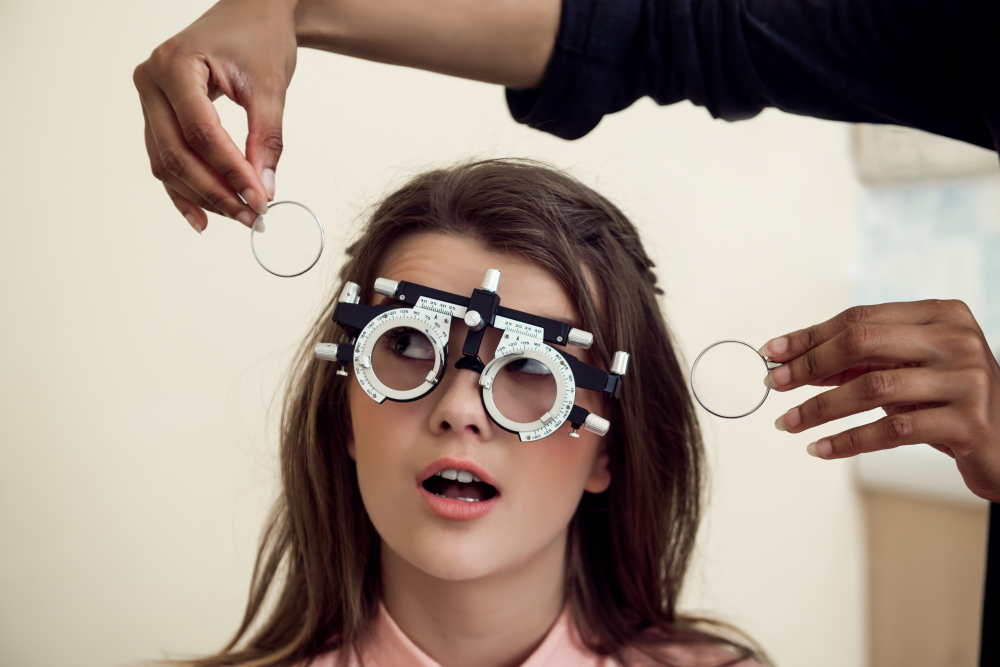
Eye specialists use simple tests to diagnose myopia. Usually, they start with a vision test. During this test, you read letters on a chart from a distance. If you have trouble seeing the letters, the doctor may use special lenses to measure your vision. Sometimes, they use drops to help check your eyes more closely. Because myopia diagnosis is quick and painless, regular eye exams are important for everyone, especially children.
Treatment Options for Myopia
There are several myopia treatment options. The right choice depends on your age, lifestyle, and how severe your myopia is. Common treatments include:
Because each treatment has pros and cons, your eye specialist can help you choose the best option.
Tips for Managing and Preventing Myopia
While you cannot always prevent myopia, you can take steps to manage it. Here are some helpful tips:
Although these steps may not cure myopia, they can help protect your vision.
When to See an Eye Specialist
If you or your child notice blurry vision, headaches, or trouble seeing distant objects, it is time to see an eye specialist. Early myopia diagnosis and treatment can prevent further vision loss. In addition, regular eye exams help catch other eye problems early. Do not wait if you have concerns about your eyesight.
In summary, myopia is common but manageable. With the right care, you can protect your vision and enjoy clear sight. Consult an eye specialist for personalized advice on myopia management.