
Understanding Eye Pressure and Its Importance
Eye pressure, also called intraocular pressure, is the fluid pressure inside your eye. It helps keep your eye’s shape. However, when eye pressure gets too high, it can harm the optic nerve. This nerve sends signals from your eye to your brain. Because of this, eye pressure and nerve damage are closely linked. High eye pressure is a main risk factor for glaucoma, a leading cause of vision loss worldwide, according to the World Health Organization (WHO).
What Is Nerve Damage in the Eye?
Nerve damage in the eye usually means harm to the optic nerve. This nerve is vital for clear vision. If it gets damaged, you may lose part or all of your sight. Often, this damage happens slowly. For this reason, many people do not notice symptoms until the problem is serious. Optic nerve damage can be permanent, so early detection is key.
How Eye Tests Detect Eye Pressure and Nerve Damage
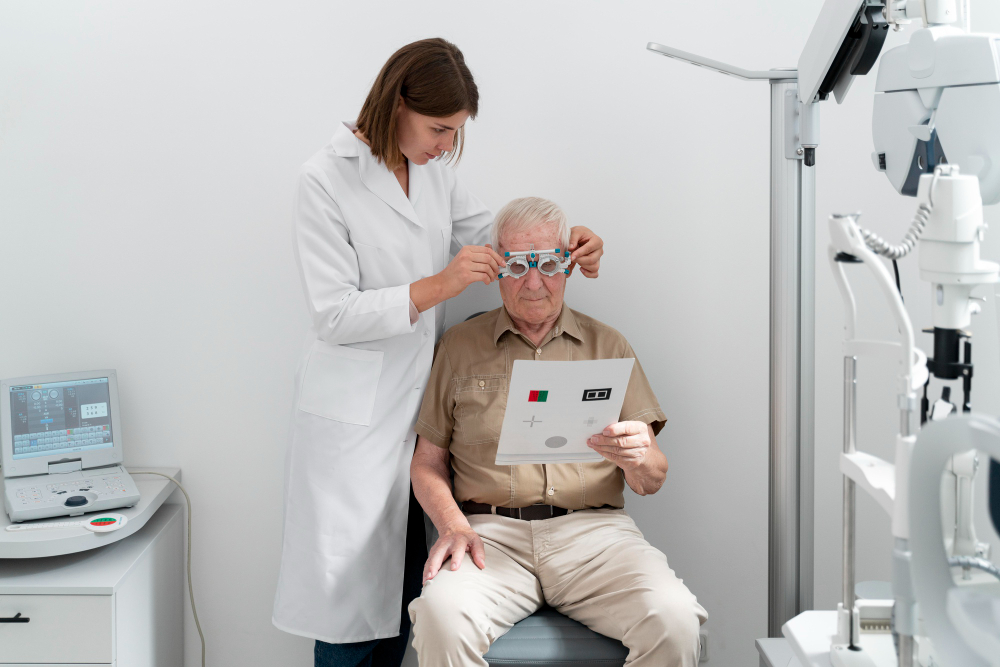
Regular eye tests can spot high eye pressure and early nerve damage. During an eye exam, your doctor may:
Because these tests are quick and simple, they are the best way to catch problems early. An eye test for glaucoma often includes all these steps.
Common Symptoms and Warning Signs
Often, high eye pressure and nerve damage do not cause pain. Still, you should watch for these signs:
However, many people have no symptoms until the damage is advanced. That’s why regular eye exams are so important.
Causes and Risk Factors
Several things can raise your risk for eye pressure and nerve damage. These include:
Because some risk factors cannot be changed, regular eye tests are even more important if you are at higher risk.
Diagnosis: How Doctors Find Eye Pressure and Nerve Damage
Doctors use several methods to diagnose eye pressure and nerve damage. These include:
Because these tests are safe and easy, you can get them during a routine eye exam. If you live in a city with advanced eye care, such as New York or Los Angeles, many clinics offer these services.
Treatment Options for Eye Pressure and Nerve Damage
If you have high eye pressure or optic nerve damage, your doctor may suggest:
Because early treatment can prevent vision loss, it is important to follow your doctor’s advice. The Centers for Disease Control and Prevention (CDC) notes that treatment can slow or stop further damage.
Prevention Tips and Lifestyle Guidance
While you cannot change some risk factors, you can take steps to protect your eyes. Try these tips:
Because prevention is easier than treatment, these steps can help in preventing eye nerve damage.
When to See an Eye Specialist
If you notice any changes in your vision, see an eye specialist right away. Also, if you have a family history of glaucoma or optic nerve damage, schedule regular eye tests. Early detection is the best way to protect your sight.
Conclusion
In summary, eye pressure and nerve damage can lead to serious vision problems. However, regular eye tests can catch issues early. Because treatment works best when started early, do not wait for symptoms. Consult an eye specialist for personalized advice and regular eye exams.