
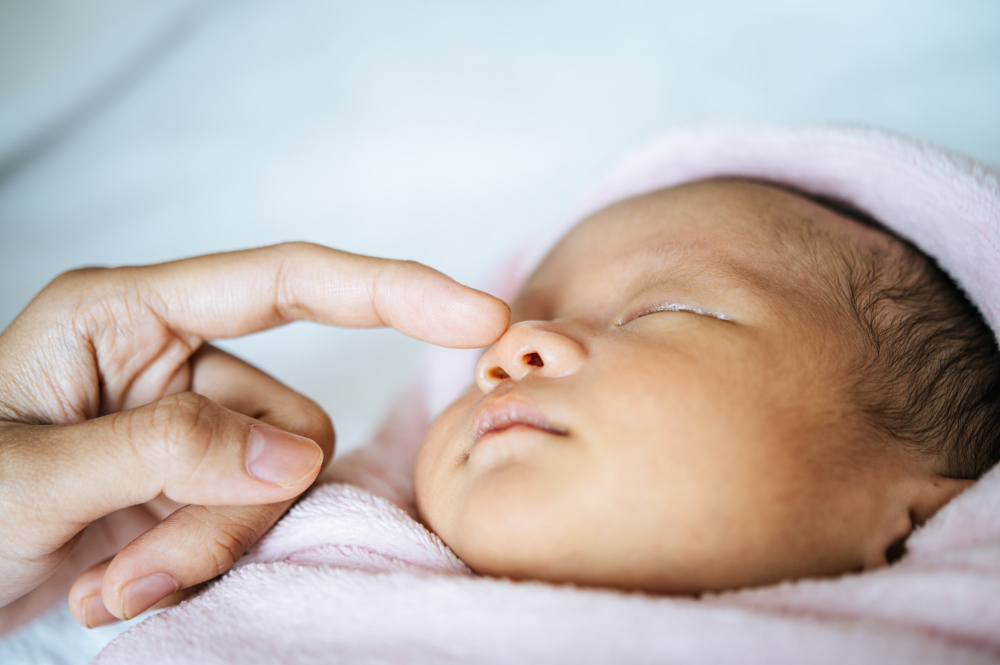
What is Retinopathy of Prematurity?
Retinopathy of prematurity (ROP) is an eye disease that affects some premature babies. It happens when blood vessels in the eye do not develop normally. Because of this, ROP can lead to vision problems or even blindness. Many parents worry about premature baby eye disease, especially if their child was born early. However, early care and screening can help protect eye health in premature infants.
Symptoms and Early Signs
Often, ROP does not show clear symptoms at first. Since babies cannot tell us if they have vision problems, doctors must look for early signs. Still, parents should watch for changes as their baby grows. For example, some signs may include:
But remember, these signs can also happen with other eye conditions. Therefore, regular eye exams are very important for premature babies.
Causes and Risk Factors
ROP happens because the blood vessels in a baby’s eye are not fully developed at birth. As a result, these vessels can grow in the wrong way. Several risk factors increase the chance of ROP, such as:
Additionally, the risk is higher in babies who are very small or very early. According to the World Health Organization, ROP is a leading cause of childhood blindness worldwide.
Diagnosis and Screening
Because ROP can develop quickly, early screening is key. Doctors use a special eye exam to check for ROP in newborns at risk. Usually, the first screening happens a few weeks after birth. After that, follow-up exams may be needed every one or two weeks. If doctors find any signs of ROP, they will watch the baby closely. Early diagnosis helps prevent serious vision loss.
Treatment Options
Not all babies with ROP need treatment. In many cases, the condition gets better on its own. However, if ROP is severe, doctors may suggest treatment to stop the disease from getting worse. Common treatments include:
With early treatment, many babies keep good vision. Still, regular follow-up is important to watch for any changes.
Prevention and Parental Guidance
While not all cases of ROP can be prevented, there are steps parents and doctors can take. For instance, careful control of oxygen levels in the hospital helps lower the risk. Also, making sure premature babies get regular eye exams is very important. Parents can help by:
Early action can make a big difference in eye health for premature infants.
Living with Retinopathy of Prematurity
Some children who had ROP may need extra support as they grow. For example, they might need glasses or other vision aids. In some cases, regular visits to a pediatric ophthalmologist are needed. But with early care, many children with ROP lead healthy, active lives. Parents should stay informed and work closely with their child’s eye doctor.
In summary, retinopathy of prematurity is a serious but treatable condition. Early screening and treatment help protect vision in premature babies. Consult a pediatric ophthalmologist for personalized advice and early intervention.