
What Is Ocular Hypertension?
Ocular hypertension means the pressure inside your eye is higher than normal. This pressure is called intraocular pressure. Although you may still see clearly, high eye pressure can be a warning sign. The World Health Organization notes that eye pressure above 21 mmHg is considered high. However, not everyone with high eye pressure will develop eye problems. Still, it is important to pay attention to ocular hypertension.
Why High Eye Pressure Matters Even Without Vision Loss
Many people with ocular hypertension do not notice any changes in their vision. However, high eye pressure can damage the optic nerve over time. This nerve sends images from your eye to your brain. If it gets damaged, you may develop glaucoma. Glaucoma is a leading cause of blindness worldwide. Therefore, even if you see well now, untreated ocular hypertension can cause vision loss later. Early detection helps prevent serious problems.
Symptoms and Risk Factors
Usually, ocular hypertension does not cause symptoms. Most people feel fine and see normally. However, some may notice:
Still, these signs are rare. Because symptoms are uncommon, regular eye exams are important. Several risk factors increase your chances of developing high eye pressure:
For these reasons, knowing your risks can help you stay alert.
How Ocular Hypertension Is Diagnosed
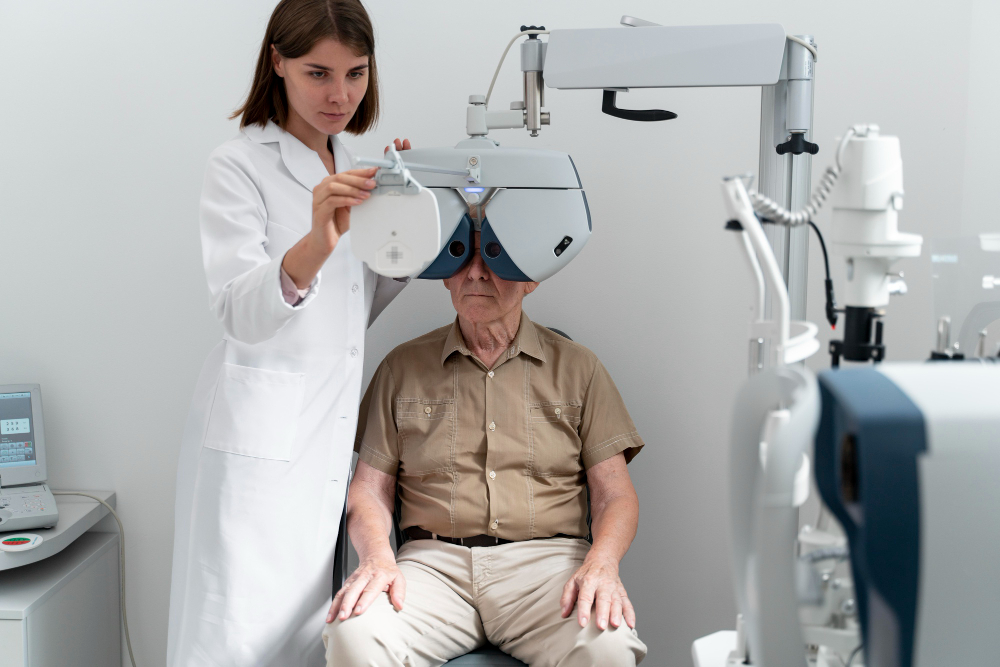
Since ocular hypertension rarely causes symptoms, eye doctors use special tests to find it. During an eye exam, your doctor will:
Because these tests are quick and painless, regular exams are the best way to catch high eye pressure early. The Centers for Disease Control and Prevention (CDC) recommends regular eye checks, especially if you have risk factors.
Treatment Options and Lifestyle Tips
Not everyone with ocular hypertension needs treatment. However, your doctor may suggest:
In addition, you can lower your risk by making healthy choices. For example:
Because early treatment can prevent glaucoma, following your doctor’s advice is important.
Prevention and Regular Eye Exams
While you cannot always prevent ocular hypertension, you can lower your risk. For instance, regular eye exams help catch problems early. If you have risk factors, ask your doctor how often you need checks. Early action can stop high eye pressure from turning into glaucoma. In summary, healthy habits and routine care protect your vision.
Conclusion
Ocular hypertension may not cause symptoms, but it can lead to serious eye problems. Because high eye pressure increases the risk of glaucoma, regular eye exams are key. If you have risk factors or concerns, consult an eye specialist for personalized advice about ocular hypertension.