
What Is Glaucoma?
Glaucoma is an eye disease that can damage your vision. It often happens when pressure builds up inside your eye. This pressure can harm the optic nerve, which sends images to your brain. Over time, untreated glaucoma may lead to vision loss. According to the World Health Organization (WHO), glaucoma is a leading cause of blindness worldwide. Because it can develop slowly, many people do not notice symptoms at first.
How Glaucoma Damages Your Vision
Glaucoma mainly affects the optic nerve. This nerve is like a cable that carries visual signals from your eye to your brain. When pressure inside the eye increases, it can squeeze and harm the optic nerve. As a result, you may lose vision, often starting at the edges. Over time, vision loss from glaucoma can get worse if not treated. However, early care can help protect your sight.
Common Symptoms of Glaucoma
Many people with glaucoma do not notice any signs at first. Still, some symptoms can appear as the disease progresses. For example, you may notice:
Because these symptoms can be mild, regular eye exams are important. Early detection helps prevent glaucoma blindness.
Diagnosing Glaucoma
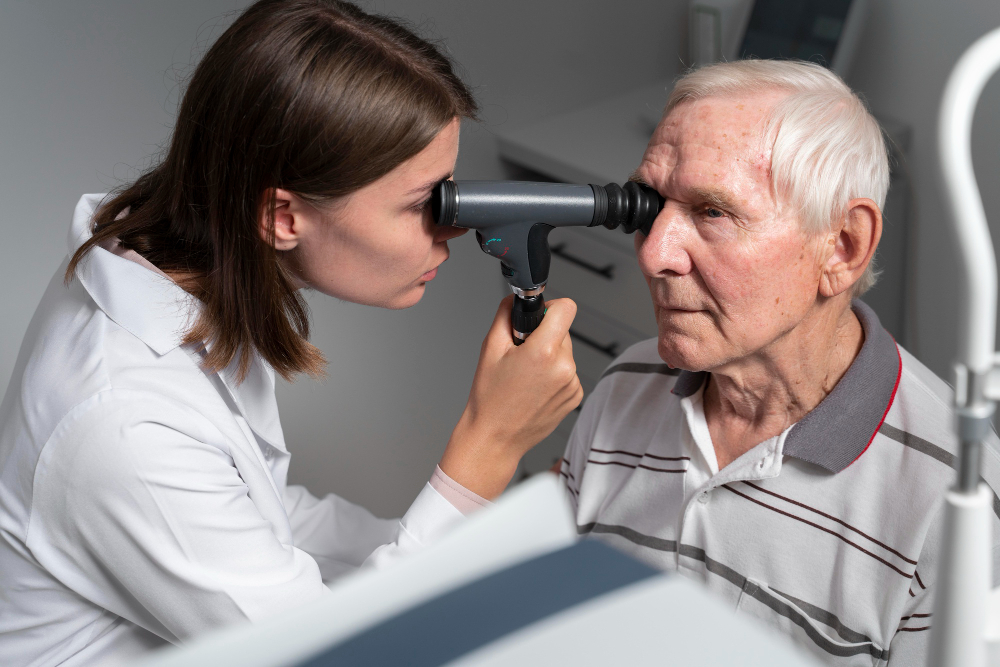
Eye doctors use several tests to check for glaucoma. First, they measure the pressure inside your eye. Next, they examine your optic nerve for signs of damage. In addition, doctors may test your side vision and look at the drainage angle in your eye. According to the Centers for Disease Control and Prevention (CDC), regular eye exams are the best way to catch glaucoma early. Early glaucoma diagnosis can help save your vision.
Treatment Options for Glaucoma
There are several ways to treat glaucoma. The main goal is to lower eye pressure and protect the optic nerve. Treatment options include:
Your doctor will choose the best treatment for you. Even though treatment cannot restore lost vision, it can help prevent further damage.
Tips to Protect Your Vision
While you cannot always prevent glaucoma, you can take steps to protect your eyesight. For example:
Because early action matters, these steps can help you keep your vision healthy.
Preventing Glaucoma-Related Vision Loss
Although glaucoma cannot be cured, vision loss from glaucoma can often be slowed or stopped. Early detection and treatment are key. Therefore, regular checkups are vital. If you have a family history of glaucoma, tell your doctor. In addition, take all medications as directed. By staying informed and proactive, you can reduce your risk of blindness from glaucoma.
When to See an Eye Specialist
If you notice changes in your vision, see an eye doctor right away. For example, sudden vision loss, eye pain, or halos around lights are warning signs. Even if you have no symptoms, regular eye exams are important, especially as you age. Early glaucoma diagnosis gives you the best chance to protect your sight.
In summary, glaucoma can cause serious vision problems if left untreated. However, early detection and proper care can help prevent blindness. Consult an eye specialist for personalized advice and early glaucoma detection.