
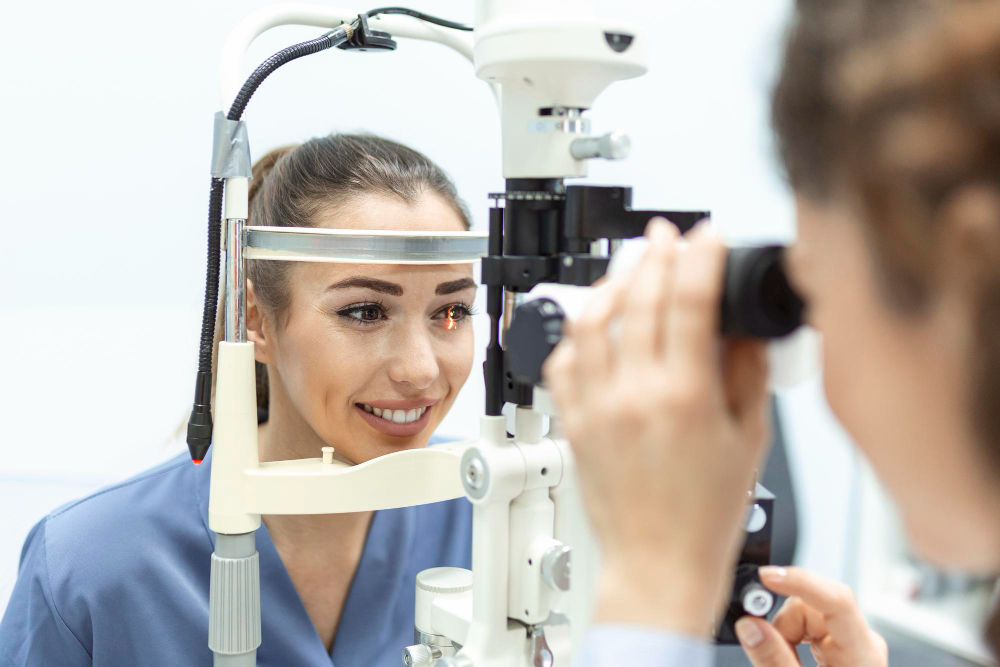
What is LASIK & Vision Correction?
LASIK & Vision Correction are popular ways to improve eyesight. LASIK eye surgery uses a laser to reshape the cornea. As a result, light focuses better on the retina. This helps people see clearly without glasses or contact lenses. Many people choose LASIK because it is quick and often gives lasting results. However, it is important to know how it works and if it is right for you.
Common Symptoms and Vision Problems Addressed by LASIK
Many people have trouble seeing clearly. Often, these problems are due to refractive errors. LASIK can help correct these issues. Common symptoms include:
For many, these symptoms make daily tasks harder. But with LASIK, many people enjoy clearer vision.
Causes of Refractive Errors
Refractive errors happen when the eye does not bend light correctly. Because of this, images look blurry. There are a few main causes:
Sometimes, these issues run in families. But age and eye injuries can also play a role.
How LASIK is Diagnosed and Patient Eligibility
Not everyone is a good candidate for LASIK. First, an eye doctor will do a full eye exam. During this visit, they will:
Usually, you must be over 18 and have stable vision for at least one year. People with certain eye diseases or very thin corneas may not be eligible. Therefore, it is important to talk to a certified ophthalmologist before deciding.
The LASIK Procedure: Steps and What to Expect
LASIK eye surgery is quick and often painless. Here is what you can expect:
Most people notice better vision within a day or two. However, some may need a few weeks for full results.
Benefits and Risks of LASIK
LASIK offers many benefits. For example, most people enjoy:
However, like any surgery, there are risks. These may include:
Because of these risks, it is wise to discuss all options with your doctor. Many people find LASIK safe, but it is not right for everyone.
Recovery, Aftercare, and Lifestyle Guidance Post-Surgery
After LASIK, proper care helps your eyes heal. Here are some tips:
Most people return to work in a day or two. However, follow your doctor’s advice for the best results.
Prevention Tips and Maintaining Eye Health After LASIK
Even after LASIK, it is important to keep your eyes healthy. For example, you can:
By following these tips, you can help maintain good vision for years to come.
Conclusion
In summary, LASIK & Vision Correction can help many people see better. However, it is important to learn about the benefits and risks. Consult a certified ophthalmologist to find out if LASIK is right for you.