
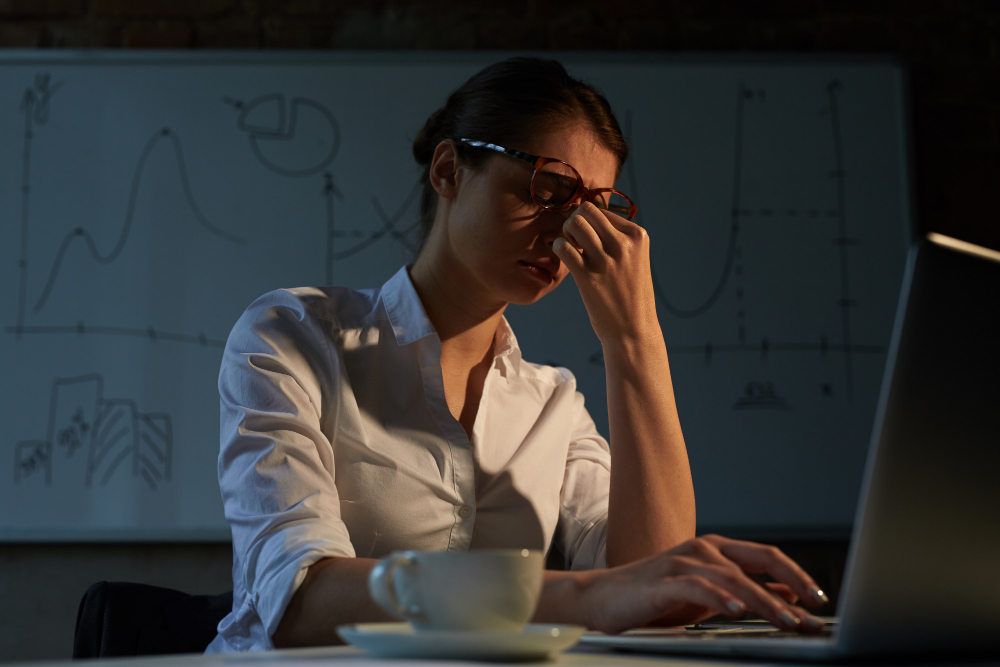
What is Digital Eye Strain?
Digital eye strain, also called computer vision syndrome, is a group of eye and vision problems. It happens when you spend long hours looking at screens. These screens include computers, tablets, and smartphones. As more people work and study online, digital eye strain has become very common. In fact, the American Optometric Association reports that over 50% of computer users experience some form of eye strain from screens. Because screens are now part of daily life, it is important to know how to prevent digital eye strain.
Symptoms of Digital Eye Strain
Many people notice symptoms after using screens for a while. However, symptoms can vary from person to person. Common signs of digital eye strain include:
Sometimes, these symptoms go away after resting your eyes. But if they continue, you may need to change your screen habits.
Causes of Digital Eye Strain
Several factors can lead to digital eye strain. For example, staring at screens for long periods makes your eyes work harder. In addition, poor lighting or glare can make things worse. Here are some common causes:
Moreover, people who already have vision problems may notice symptoms sooner. Children and office workers are especially at risk because they use screens for many hours each day.
Diagnosis
If you have symptoms of digital eye strain, an eye specialist can help. First, the doctor will ask about your screen habits and symptoms. Next, they will check your vision and eye health. Sometimes, special tests are used to see how your eyes focus and move. Because other eye problems can cause similar symptoms, a full eye exam is important. Early diagnosis helps prevent long-term discomfort.
Treatment Options
There are several ways to treat digital eye strain. Most treatments focus on changing your screen habits. For example, your doctor may suggest:
In some cases, you may need a new glasses prescription. However, most people feel better after making simple changes.
Prevention Tips
Preventing digital eye strain is easier than you might think. Here are some helpful tips:
For office workers and students, setting up your workspace properly can make a big difference. In addition, taking short breaks helps your eyes rest and recover.
Lifestyle Guidance for Healthy Eyes
Besides screen habits, a healthy lifestyle supports good eye health. For instance, eating foods rich in vitamins A, C, and E can help protect your eyes. Also, staying hydrated keeps your eyes moist. Regular exercise improves blood flow to your eyes. If you wear contact lenses, follow your doctor’s care instructions. Furthermore, avoid smoking, as it can harm your eyes over time.
When to See an Eye Specialist
Most cases of digital eye strain improve with simple changes. However, you should see an eye specialist if:
Early treatment can prevent serious problems. If you experience persistent digital eye strain, consult an eye specialist for personalized advice.